Case Study: Large-Scale Mold Remediation in a Chesapeake Beach Office Complex
Large-scale mold remediation in commercial spaces demands precision, especially in Chesapeake Beach’s humid climate. This case study walks through how our team restored a 20,000 sq. ft. office complex after hidden water intrusion led to widespread mold growth in walls, HVAC ducts, and crawl spaces. We’ll cover the challenges, solutions, and lessons learned.
The Problem: Hidden Water Intrusion and Widespread Mold Growth
The office complex in Chesapeake Beach had no visible leaks, but tenants reported persistent musty odors and respiratory complaints. Our initial mold inspection revealed elevated spore counts in multiple zones, particularly near the HVAC system and ground-floor perimeter walls.
Thermal imaging and moisture meters confirmed water intrusion from a failed roof drainage system. The moisture had wicked into drywall and insulation, creating ideal conditions for mold colonization—especially in the building’s older, less ventilated sections.
Mold in commercial buildings often spreads unseen behind walls or above ceiling tiles. Without professional mold testing, it can go undetected until health symptoms or structural damage appear.
Initial Assessment: Mold Testing and Air Quality Analysis
We began with comprehensive mold testing, including surface and air sampling in high-risk areas. Lab results identified Stachybotrys (black mold), Aspergillus, and Penicillium—common in Maryland’s coastal climate—at levels exceeding OSHA and EPA guidelines.
Air quality testing also revealed HVAC contamination, meaning spores were being circulated throughout the building. This required a dual approach: remediating affected materials and decontaminating the ductwork.
Containment and Safety Protocols for Large-Scale Remediation
Before removal, we established full containment using 6-mil polyethylene sheeting and negative air pressure machines. This prevented cross-contamination to clean areas, critical in an active office environment.
Our team wore P100 respirators, Tyvek suits, and gloves, adhering to IICRC S520 standards for commercial mold remediation. All entry and exit points were equipped with decontamination chambers to trap spores.
| Factor | Containment Approach | Non-Containment Approach |
|---|---|---|
| Spores Spread | Minimal; isolated to work zone | High; risk to adjacent areas |
| Worker Safety | Full PPE + decon chambers | Basic PPE; limited protection |
| Project Scope | Large-scale or high-risk mold | Small, localized growth |
| Cost | Higher (equipment, labor) | Lower but risky for commercial spaces |
| Time | Longer setup, safer execution | Faster but less controlled |
Remediation Process: From Demolition to Antimicrobial Treatment
We removed all porous materials—drywall, insulation, ceiling tiles—that tested positive for mold. Non-porous surfaces like metal studs and concrete were HEPA-vacuumed and treated with EPA-registered antimicrobial solutions.
The HVAC system required separate attention. We cleaned and sanitized ductwork, replaced contaminated filters, and installed UV-C lights to inhibit future mold growth in the system.
Critical Steps in Commercial Mold Remediation
- Seal off work area with containment barriers
- Use negative air pressure to prevent spore escape
- Remove and dispose of contaminated materials per local regulations
- HEPA-vacuum all surfaces post-removal
- Apply antimicrobial treatments to inhibit regrowth
- Verify clearance with post-remediation testing
Addressing the Root Cause: Water Damage and Moisture Control
Mold returns without fixing the source. We traced the water intrusion to a clogged roof drain and improper grading near the foundation. The building owner coordinated with a local water damage restoration team to repair the drainage and install a new vapor barrier in the crawl space.
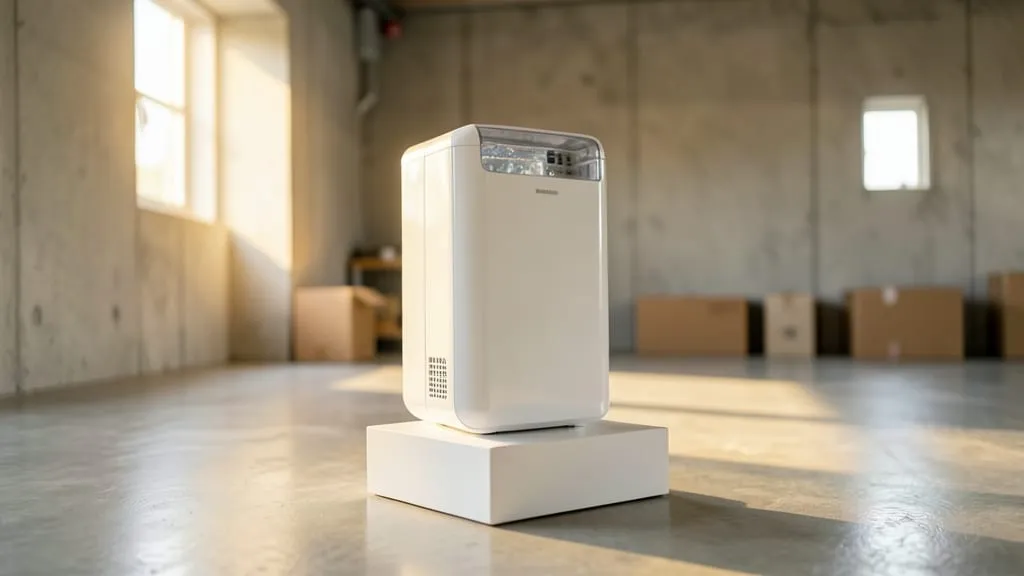
We also recommended dehumidification systems for the basement and crawl space, common solutions for properties in Chesapeake Beach, North Beach, and Prince Frederick where humidity and seasonal storms are frequent.
Post-Remediation Verification: Testing for Clearance
Clearance testing is non-negotiable. We conducted follow-up air and surface sampling 24–48 hours after remediation. All results came back within normal ranges, confirming the mold had been successfully removed.
The office complex passed a final walkthrough, and tenants returned to a space with restored air quality. We provided a detailed report for their records, including moisture maps and lab results.
Lessons Learned: Preventing Future Mold in Commercial Buildings
Regular mold inspections are cost-effective compared to large-scale remediation. We now perform quarterly air quality testing for this client, especially before and after Maryland’s stormy seasons.
Building managers in areas like Owings, Dunkirk, and Huntingtown should prioritize HVAC maintenance and moisture control. Even minor leaks in ductwork or around windows can lead to major mold issues over time.
Install moisture sensors in high-risk areas (basements, crawl spaces, near HVAC units) and schedule annual mold testing. Early detection saves thousands in remediation costs.
How to Prepare Your Commercial Space for Mold Remediation
Proper preparation ensures a smooth remediation process and minimizes business disruption.
- 1Clear the Work Area
Remove all furniture, equipment, and sensitive documents from the affected zones. Containment barriers will limit access, so plan for temporary relocation of staff.
- 2Shut Down HVAC Systems
Turn off heating and cooling to prevent spores from spreading through vents. This is critical in multi-story buildings or open-plan offices.
- 3Notify Occupants
Communicate the remediation timeline and safety protocols to employees or tenants. Post clear signage around containment areas.
- 4Arrange for Post-Remediation Cleaning
Schedule a professional cleaning service to sanitize non-remediated areas after containment is removed. This includes carpets, upholstery, and air ducts.
- 5Plan for Clearance Testing
Ensure your remediation contractor includes post-testing in their scope. Do not reoccupy the space until lab results confirm normal spore levels.
Frequently Asked Questions
How long does large-scale mold remediation take in a commercial building like the Chesapeake Beach office complex?
Timelines vary based on the square footage, extent of contamination, and drying requirements. For this project, demolition and remediation took 10 days, with an additional 3 days for clearance testing. Complex jobs in humid climates like Maryland’s may require longer drying periods.
Can mold return after remediation if the water issue isn’t fixed?
Absolutely. Mold will recur if moisture persists. That’s why we always address the root cause—whether it’s a leaky roof, poor ventilation, or high humidity—before declaring a project complete. In Chesapeake Beach, crawl space encapsulation and dehumidifiers are often necessary.
Is HVAC mold remediation always necessary during commercial mold projects?
Not always, but it’s common in older buildings or those with poor maintenance. If mold is detected in ductwork or air handlers, cleaning or replacing components is essential to prevent spores from recirculating. We often see this in office complexes near Prince Frederick and North Beach.
What certifications should a mold remediation company have for commercial work?
Look for IICRC (Institute of Inspection, Cleaning and Restoration Certification) in mold remediation (S520 standard) and water damage restoration (S500). Additional certifications from the EPA or OSHA for large-scale or hazardous projects are a plus. Our team holds all relevant credentials for Maryland commercial jobs.
How do you handle mold remediation in sensitive environments like hospitals or schools near Chesapeake Beach?
Sensitive environments require stricter containment, HEPA filtration, and often off-hours work to minimize exposure. We use hospital-grade antimicrobials and coordinate with facility managers to ensure compliance with health regulations. The same principles apply to schools in areas like Huntingtown or Sunderland.
Does homeowners or commercial insurance cover mold remediation?
Coverage depends on the policy and the cause of the mold. Many commercial policies exclude mold unless it’s a direct result of a covered peril, like a burst pipe. We recommend reviewing your policy and requesting a quote from us to understand potential out-of-pocket factors, such as the extent of damage or type of mold.