How to Prepare Your Home for a Mold Inspection in Chesapeake Beach
A mold inspection isn’t just about finding problems—it’s about uncovering hidden risks before they spread. In our humid Chesapeake Beach climate, even small moisture issues can escalate quickly. Proper preparation ensures our team can assess your home thoroughly and accurately, saving you time and stress down the road.
Why Preparation Matters for Mold Inspections
Mold thrives in damp, undisturbed areas. A poorly prepped home can hide critical signs, leading to incomplete assessments or missed contamination in spots like basements, attics, or crawl spaces.
Our inspections in Chesapeake Beach often reveal mold behind furniture, under carpets, or in HVAC systems—areas that are easily overlooked without proper access.
Chesapeake Beach’s proximity to the Bay means higher humidity, especially in summer. This accelerates mold growth in hidden spaces like North Beach or Dares Beach homes with older construction.
Clear the Path for Thorough Access
Move furniture away from walls, especially in basements and attics. This allows our inspectors to check for water stains, efflorescence, or mold colonies behind or beneath items.
Clear storage from under sinks, in closets, and around water heaters. Leaks in these areas are common culprits for mold in homes near Owings or Huntingtown.
Address Moisture Sources Beforehand
Fix visible leaks or condensation issues, but don’t mask them. Our team needs to see active problems to trace their origin—whether it’s a roof leak in Prince Frederick or a plumbing issue in Sunderland.
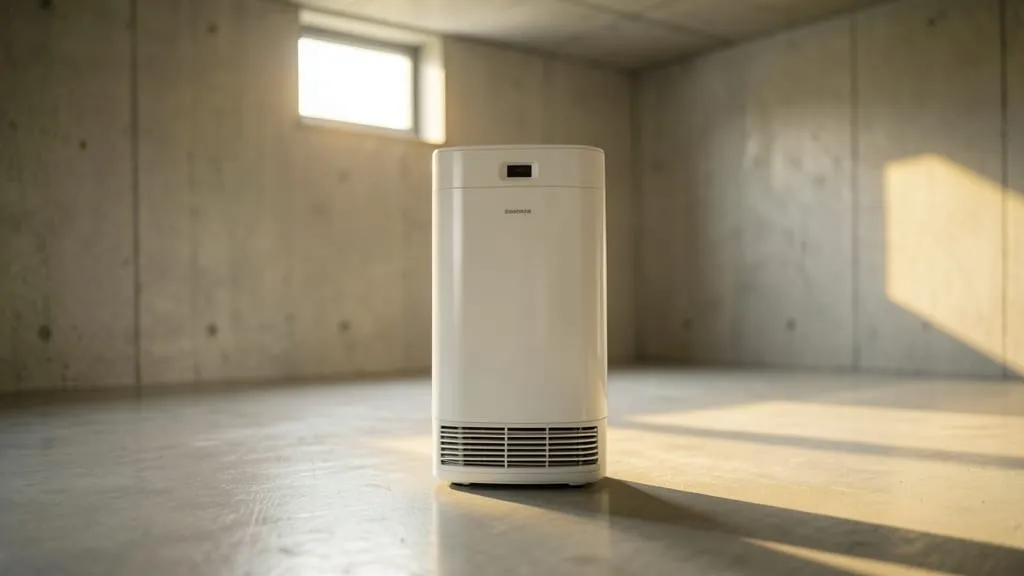
Run dehumidifiers in damp areas like crawl spaces or basements for 24–48 hours before the inspection. This helps reveal lingering mold, not just surface moisture.
What to Expect During the Inspection
Our process includes visual assessments, moisture mapping with thermal imaging, and air quality testing. We’ll check HVAC systems, which often circulate mold spores in homes from Deale to Shady Side.
Surface sampling may be taken if visible mold is found. This helps identify species like *Stachybotrys* (black mold) or *Aspergillus*, which require different remediation approaches.
| Technique | Purpose | Areas Targeted |
|---|---|---|
| Visual Inspection | Identify visible mold, water damage, or stains | Walls, ceilings, basements, attics |
| Moisture Meter | Detect hidden moisture in materials | Drywall, wood, insulation |
| Thermal Imaging | Find temperature anomalies indicating moisture | Behind walls, under flooring |
| Air Quality Testing | Measure mold spore counts in air | Living spaces, HVAC ducts |
| Surface Sampling | Identify mold species for remediation planning | Visible mold patches |
Areas We Focus On in Chesapeake Beach Homes
Basements and crawl spaces are high-risk due to poor ventilation and groundwater seepage—common in Lower Marlboro and Friendship. We’ll inspect for efflorescence, rust, or musty odors.
Attics often trap heat and moisture, leading to mold on roof decking or insulation. Homes in Aquasco or Baden with older roofs are especially vulnerable.
HVAC systems can spread spores throughout the house. We’ll check ducts, coils, and drip pans, which are frequent problem spots in Marlton or Calvert Beach.
Avoid scrubbing or spraying moldy areas before the inspection. This can release spores into the air and skew test results, complicating remediation in areas like Upper Marlboro or Hughesville.
Documents and History to Have Ready
Provide records of past water damage, leaks, or flooding—especially relevant for homes near the Patuxent River or in flood-prone areas like Tilghman Island.
Note any recent renovations or changes to ventilation. New drywall or insulation can hide pre-existing mold, which we’ve seen in St. Leonard or Rosaryville homes.
Post-Inspection: Next Steps
If mold is found, we’ll outline a remediation plan tailored to your home’s layout and the species identified. This might include containment, HEPA vacuuming, or antimicrobial treatments.
For severe cases, we may recommend additional services like water damage restoration or asbestos testing, particularly in older homes in Benedict or Cedarville.
What to Do After Your Inspection
- Review the inspection report thoroughly
- Address any immediate moisture issues (e.g., leaks, condensation)
- Schedule remediation if mold is confirmed
- Consider a follow-up air quality test post-remediation
- Implement moisture control measures (dehumidifiers, ventilation improvements)
How to Check for Visible Mold Before the Inspection
A quick pre-inspection sweep can help you spot obvious issues our team will investigate further.
- 1Inspect High-Moisture Areas
Look under sinks, around toilets, and near water heaters for discoloration or water stains. Pay special attention to basements and crawl spaces.
- 2Check for Musty Odors
Mold often produces a distinct earthy or musty smell. Trace the odor to its source, especially in enclosed spaces like closets or attics.
- 3Examine Walls and Ceilings
Look for peeling paint, bubbling wallpaper, or dark spots. These can indicate hidden mold behind surfaces.
- 4Inspect HVAC Components
Check vents, drip pans, and ductwork for visible mold or moisture. HVAC systems can spread spores throughout the home.
- 5Document Findings
Take photos or notes of any suspicious areas. Share these with our inspectors to streamline the assessment process.
Frequently Asked Questions
How long does a mold inspection take in Chesapeake Beach?
Most inspections take 1–3 hours, depending on the home’s size and complexity. Larger homes or those with multiple problem areas, like in Prince Frederick or Sunderland, may require additional time for thorough testing.
Do I need to leave during the inspection?
No, but we recommend staying out of the work areas, especially if air quality testing is being conducted. This prevents interference with samples and ensures safety.
Can mold return after remediation?
Yes, if the underlying moisture issue isn’t resolved. That’s why we emphasize moisture control and ventilation improvements post-remediation, particularly in humid areas like Chesapeake Beach or North Beach.
Is mold testing included in the inspection?
Visual inspections are standard, but air quality and surface testing are often recommended for confirmation. These tests help identify mold species and spore counts, which are critical for remediation planning.
What’s the difference between mold inspection and mold testing?
An inspection is a visual and technical assessment of your home for mold and moisture issues. Testing involves collecting samples (air or surface) to identify mold types and concentrations, which is essential for homes in areas like Deale or Shady Side with recurring issues.
How often should I get a mold inspection in Chesapeake Beach?
Annually is ideal, especially if your home has a history of moisture problems or is in a high-humidity zone. After major water events (e.g., flooding or leaks), schedule an inspection immediately.