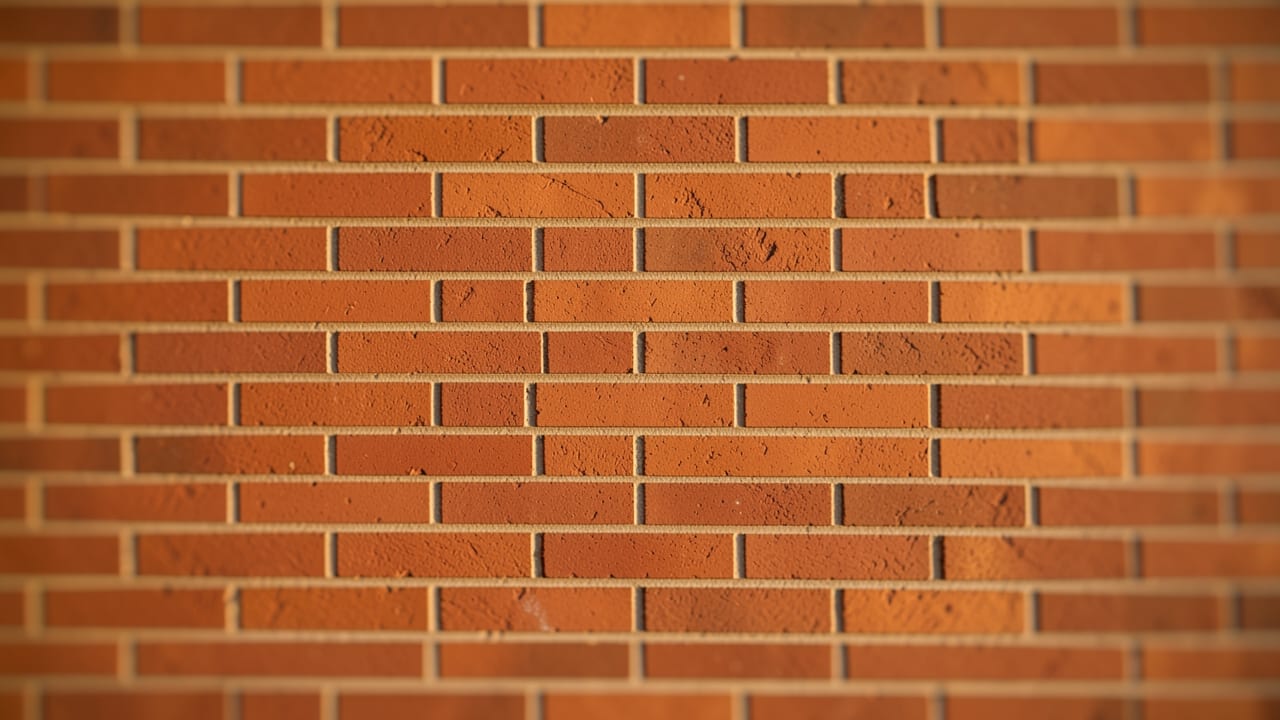
Brick Masonry Mold Treatment
Professional mold treatment and removal from brick masonry to restore structural integrity and indoor air quality.
Mold on brick masonry in Chesapeake Beach, MD, often results from moisture exposure or poor ventilation, compromising both the appearance and structural integrity of brick surfaces. Proper treatment involves containment, removal, drying, and clearance testing to prevent regrowth and ensure long-term results.
Chesapeake Beach’s humid climate can accelerate mold growth, making timely intervention essential for homeowners.
We also handle Restaurant Mold Remediation and Clinic Mold Remediation for Chesapeake Beach properties.
When to address brick masonry mold
Mold on brickwork often starts as a small, isolated patch but can spread rapidly if left unchecked. In Chesapeake Beach’s damp environment, moisture from rain, humidity, or poor drainage can seep into brick surfaces, creating ideal conditions for mold growth.
Homeowners should act quickly if mold covers more than a small area or returns after cleaning, as these are signs of an underlying moisture issue.
Visible mold growth is the most obvious sign, but musty odors—especially when HVAC systems are running—can indicate hidden mold behind brick or in adjacent structures. If mold keeps reappearing in the same spot, it’s likely a moisture source, like a leak or condensation problem, hasn’t been addressed.
Signs You Need Professional Brick Masonry Mold Treatment
- Mold covers more than a small, isolated patch (typically over 25 contiguous square feet).
- Mold returns within weeks after cleaning, suggesting the moisture source isn’t fixed.
- A musty smell persists even after visible mold is removed, possibly indicating hidden growth.
- Brick surfaces feel damp to the touch, signaling ongoing moisture exposure.
What affects cost and timeline?
The scope of the mold problem—such as the size of the affected area, the type of brickwork, and whether hidden moisture sources exist—directly impacts pricing and duration. Brick masonry treatment often requires more labor than surface-level mold removal due to the need for containment, structural drying, and clearance testing.
Chesapeake Beach’s climate can also extend drying times if humidity levels remain high.
Additional factors like the need for independent lab testing or repairs to fix moisture issues (e.g., regrading, sealing cracks) can increase costs. Unlike surface mold, brick masonry treatment rarely follows a one-size-fits-all approach, so pricing varies based on the specific conditions of the job.
Local considerations for Chesapeake Beach homes
Chesapeake Beach’s proximity to water and high humidity levels create ideal conditions for mold growth on brick exteriors.
Homes in areas like North Beach or Dunkirk, where moisture from tidal influences or poor drainage is common, may require additional preventive measures, such as improved grading or downspout extensions, to keep mold from returning.
Maryland’s regulations for mold remediation have evolved, with no current state-specific license required for contractors. However, any work exceeding $500 must comply with Maryland’s Home Improvement Contractor registration. Homeowners should verify a contractor’s compliance with local rules before hiring.
| Common Chesapeake Beach Mold Triggers | Preventive Action |
|---|---|
| Poor drainage around brick foundations | Regrade soil to slope away from the house; extend downspouts 5+ feet from the foundation. |
| Condensation on brick surfaces | Improve ventilation in enclosed areas; use dehumidifiers in damp rooms. |
| Leaks in roof or wall flashing | Repair leaks promptly; seal cracks in brick mortar with waterproof sealant. |
| High humidity in windowless rooms (e.g., basements) | Run a small fan or dehumidifier year-round to maintain humidity below 60%. |
How brick masonry mold treatment works
This process ensures mold is removed safely and moisture sources are addressed to reduce regrowth.
- 1Containment Setup
Plastic sheeting and negative-air machines seal the work area to prevent mold spores from spreading to unaffected parts of the home. This step is critical, especially in older brick homes where spores can circulate through HVAC systems.
- 2Mold Removal and Material Handling
Porous materials like brickwork with deep mold penetration are often removed and replaced, while non-porous surfaces are scrubbed with antimicrobial solutions. HEPA-filtered equipment captures spores during removal to minimize airborne contamination.
- 3Structural Drying
Industrial dehumidifiers and air movers reduce moisture levels in framing and substructures to prevent mold recurrence. Drying typically continues until moisture readings return to normal levels, which can take days or weeks depending on humidity.
- 4Clearance Testing
An independent lab tests air and surfaces post-remediation to confirm spore counts are within safe ranges. This step ensures the treatment was effective and the area is safe to reoccupy.
Frequently asked questions
How do I know if the mold on my brickwork is severe enough to need professional treatment?
If mold covers more than a small patch (typically over 25 square feet), keeps returning after cleaning, or you notice a musty smell without visible growth, professional treatment is likely needed. DIY methods often miss hidden moisture sources, leading to regrowth.
Will treating the mold on my brick exterior fix the problem permanently?
Treatment removes existing mold, but regrowth depends on addressing the moisture source—such as leaks, poor drainage, or high humidity. Without fixing the root cause, mold may return within months. Post-treatment monitoring helps catch early signs of recurrence.
Do I need to evacuate my home during brick masonry mold treatment?
Most treatments don’t require full evacuation, but the affected area will be sealed off with plastic sheeting. Occupants should avoid the work zone, and pets or children should be kept away until containment is removed and clearance testing is complete.
How long does it take to dry the brickwork after mold removal?
Drying times vary based on humidity and the extent of moisture damage. In Chesapeake Beach’s climate, it can take 3–10 days for brickwork to dry fully, especially if hidden moisture in walls or substructures is present.
Where Chesapeake Beach sits, and what the Census lists nearby
Chesapeake Beach sits in Maryland, and the closest places listed in the U.S. Census Gazetteer are North Beach (1.7 miles northeast), Owings (3.1 miles northwest), Friendship (3.7 miles northwest), Huntingtown (6.4 miles southwest). Within 25 miles of Chesapeake Beach the same source lists 98 distinct incorporated places and census-designated places.
Those figures matter for brick masonry mold treatment because they are straight-line distances between Census coordinate points: road mileage between Chesapeake Beach and North Beach runs longer than the 1.7 miles shown, which is why quotes for the same job differ between towns that look close together on a map.
Source: U.S. Census Bureau Gazetteer.
See Mayo, MD for more, or discover the mold remediation work we do around Chesapeake Beach before booking for our complete lineup.
Ready to get started?
Talk to a local mold remediation pro in Chesapeake Beach — get a written quote.
Other Mold Remediation Services in Chesapeake Beach

Restaurant Mold Remediation in Chesapeake Beach, MD
Professional mold removal and remediation for restaurant spaces to ensure safety and compliance.
Learn More
Clinic Mold Remediation in Chesapeake Beach, MD
Professional mold removal and remediation to restore safe, healthy indoor spaces.
Learn More
Gym Mold Remediation in Chesapeake Beach, MD
Professional removal and treatment of mold in gyms to restore safe, clean environments.
Learn More
Salt Air Mold Remediation in Chesapeake Beach, MD
Professional mold assessment, containment, removal, and prevention in affected areas of the home.
Learn More
Pre-Winter Mold Prevention in Chesapeake Beach, MD
Pre-winter mold prevention involves inspection and treatment to stop mold growth before cold weather.
Learn More
Pre-Sale Mold Clearance in Chesapeake Beach, MD
Pre-sale mold clearance involves inspection and testing to confirm a property is mold-free before purchase.
Learn MoreCommon Questions About Mold Remediation in Chesapeake Beach
Everything you need to know about mold remediation services in Chesapeake Beach
How much does Brick Masonry Mold Treatment typically cost in Chesapeake Beach, MD?
Why does Chesapeake Beach, MD's humidity make mold a bigger risk than in drier regions?
What's the actual difference between mold removal and mold remediation?
Is a final clearance test part of a typical mold remediation job?
How does mold remediation actually prevent the problem from coming back?
Can mold growing inside HVAC ductwork spread to the rest of a home?
Need Mold Remediation in Chesapeake Beach?
Connect with local providers in Chesapeake Beach for a detailed quote.
⏰ We answer your call • Serving all of Chesapeake Beach and surrounding areas