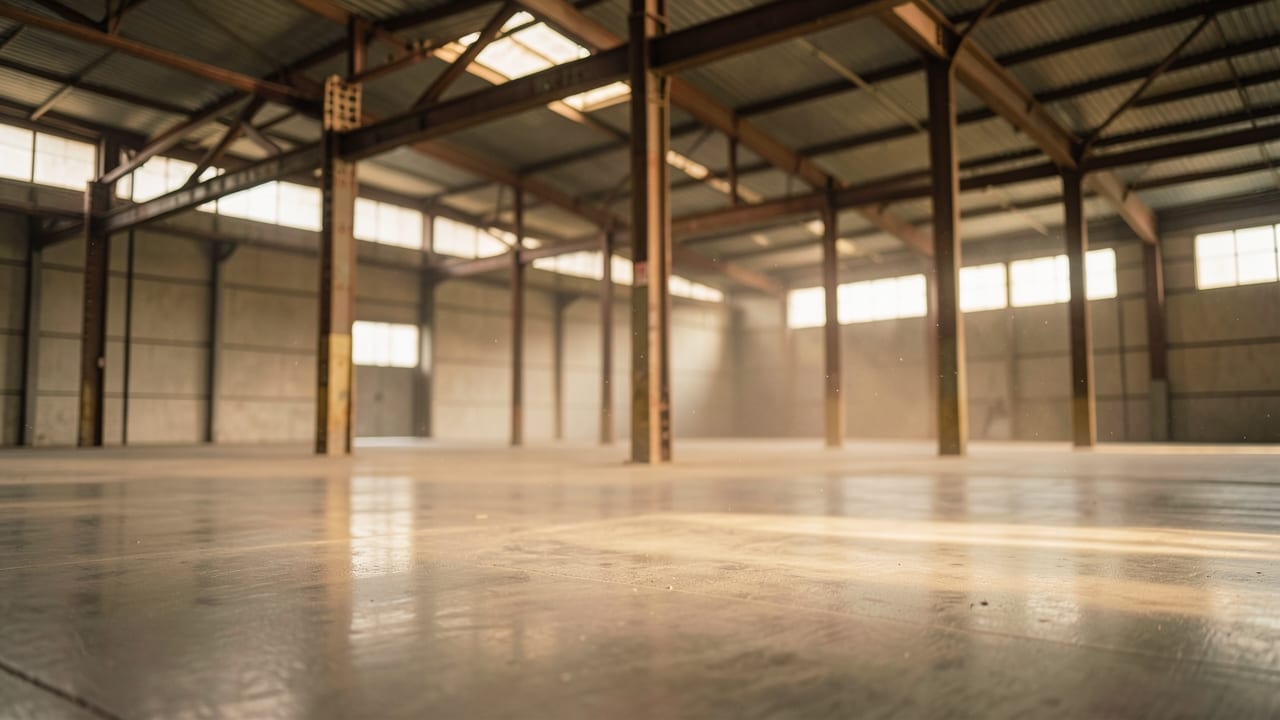
Warehouse Mold Cleanup
Professional removal of mold from warehouse spaces to restore safe, clean conditions.
Warehouse mold cleanup in Chesapeake Beach, MD, involves specialized remediation for storage and industrial spaces, addressing hidden growth behind walls, under flooring, or in ductwork. Containment, HEPA filtration, and moisture control prevent spores from spreading during removal, while post-remediation testing confirms clearance.
Proper cleanup requires fixing the moisture source to avoid regrowth—critical for basements, attics, and poorly ventilated areas in homes.
We also handle Wood Furniture Mold Remediation and Vinyl Flooring Mold Treatment for Chesapeake Beach properties.
When mold cleanup becomes a job for professionals
Mold covering more than a small, isolated patch (typically over 25 square feet) often signals the need for professional remediation. Growth that returns after cleaning usually means the moisture source—like a leak, condensation, or poor drainage—was never addressed.
A musty smell with no visible mold often indicates hidden growth behind walls, under flooring, or inside ductwork.
If mold appears in persistently damp areas—such as windowless bathrooms, closets, or basements—it may require structural drying and long-term moisture control. Skipping containment or using non-HEPA equipment can spread spores, turning a contained job into a larger problem.
Always confirm the crew fixes the moisture source, not just the visible mold.
Signs You Need Professional Mold Cleanup
- Mold covers more than 25 contiguous square feet (a common threshold for professional work).
- Growth keeps returning after cleaning, suggesting the moisture source isn’t fixed.
- A musty smell exists with no visible mold, hinting at hidden growth in walls or ducts.
- Mold appears in areas with poor airflow, like basements or windowless rooms, where humidity lingers.
What affects pricing and timing for mold remediation
Pricing for mold cleanup in Chesapeake Beach varies by project scope, not a fixed rate. Containment, air filtration, and clearance testing are often priced separately, so a low estimate may exclude critical steps.
Complex jobs—like those involving structural drying or hidden mold behind walls—take longer and cost more than surface cleaning.
The size of the affected area, whether the work requires after-hours scheduling, and containment requirements (like sealing off HVAC systems) all influence timing. Always ask for a written scope of work before starting to avoid unexpected costs or delays.
After the crew leaves: steps to keep mold from returning
Removing mold without fixing the moisture source often leads to regrowth within months. Check humidity in the affected area periodically for the first year, and use dehumidifiers or fans in persistently damp rooms.
Outside, ensure soil slopes away from the foundation and downspouts drain at least 3 feet from the house.
If mold reappears, it may indicate a hidden leak or poor ventilation. Addressing these issues early helps the cleanup last longer. Always confirm the crew’s work with a post-remediation clearance test to verify spore levels are back to normal.
| Step | Action |
|---|---|
| Check humidity | Use a hygrometer to monitor levels; aim for 30–50% relative humidity. |
| Fix moisture sources | Repair leaks, improve ventilation, and redirect water away from the foundation. |
| Post-remediation test | Request an independent clearance test to confirm spore levels are safe. |
| Long-term monitoring | Inspect the area periodically for new growth or musty odors. |
How warehouse mold cleanup works
Professional remediation follows strict containment and safety protocols to prevent spore spread.
- 1Containment Setup
Plastic sheeting and negative-air machines seal the work area, trapping spores inside. This prevents cross-contamination into unaffected parts of the home.
- 2Material Removal or Cleaning
Porous materials (like drywall or carpet padding) with deep mold growth are cut out and disposed of. Non-porous surfaces (framing, tile) are scrubbed and treated to prevent regrowth.
- 3HEPA Filtration and Drying
HEPA air scrubbers run continuously during cleanup, and surfaces are vacuumed with HEPA-filtered tools. Industrial dehumidifiers dry framing and subfloors to normal moisture levels.
- 4Clearance Testing
An independent lab tests air or surfaces post-remediation to confirm spore counts are within normal ranges before containment is removed.
- 5Moisture Source Fix
The crew addresses leaks, condensation, or grading issues to stop future growth. Without this step, mold often returns within months.
Frequently asked questions
How do I know if my mold problem is too big for DIY cleaning?
If mold covers more than 25 square feet, keeps returning after cleaning, or you smell it but can’t see it, professional remediation is recommended. Hidden growth—like behind walls or in ducts—often requires containment and specialized equipment.
Why does containment matter during mold cleanup?
Containment (plastic sheeting and negative air) keeps spores from spreading to other areas of your home. Without it, disturbed mold can drift into HVAC systems or unaffected rooms, making the problem worse.
What’s the difference between cleaning mold and remediating it?
Cleaning removes surface mold but doesn’t address hidden growth or moisture sources. Remediation includes containment, HEPA filtration, material removal (if needed), and fixing the root cause to prevent regrowth.
How long does it take to dry a basement or crawl space after mold cleanup?
Structural drying can take days to weeks, depending on the size and moisture levels. Industrial dehumidifiers and air movers run until humidity readings return to normal (typically 30–50% relative humidity).
Where Chesapeake Beach sits, and what the Census lists nearby
Chesapeake Beach sits in Maryland, and the closest places listed in the U.S. Census Gazetteer are North Beach (1.7 miles northeast), Owings (3.1 miles northwest), Friendship (3.7 miles northwest), Huntingtown (6.4 miles southwest). Within 25 miles of Chesapeake Beach the same source lists 98 distinct incorporated places and census-designated places.
Those figures matter for warehouse mold cleanup because they are straight-line distances between Census coordinate points: road mileage between Chesapeake Beach and North Beach runs longer than the 1.7 miles shown, which is why quotes for the same job differ between towns that look close together on a map.
Source: U.S. Census Bureau Gazetteer.
See Cedarville, MD for more, or find out about how our Chesapeake Beach crew can help for our complete lineup.
Ready to get started?
Talk to a local mold remediation pro in Chesapeake Beach — get a written quote.
Other Mold Remediation Services in Chesapeake Beach
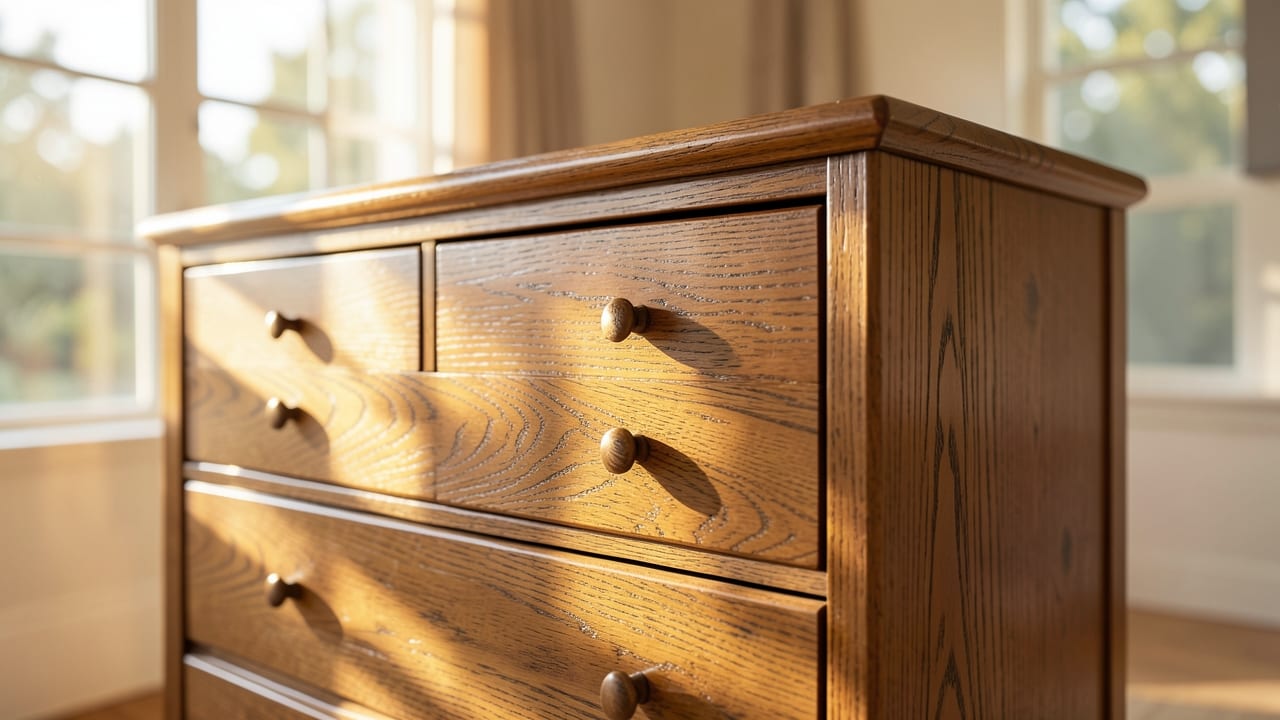
Wood Furniture Mold Remediation in Chesapeake Beach, MD
Professional removal and treatment of mold from wood furniture to restore safety and appearance.
Learn More
Vinyl Flooring Mold Treatment in Chesapeake Beach, MD
Professional mold treatment and removal for vinyl flooring in homes.
Learn More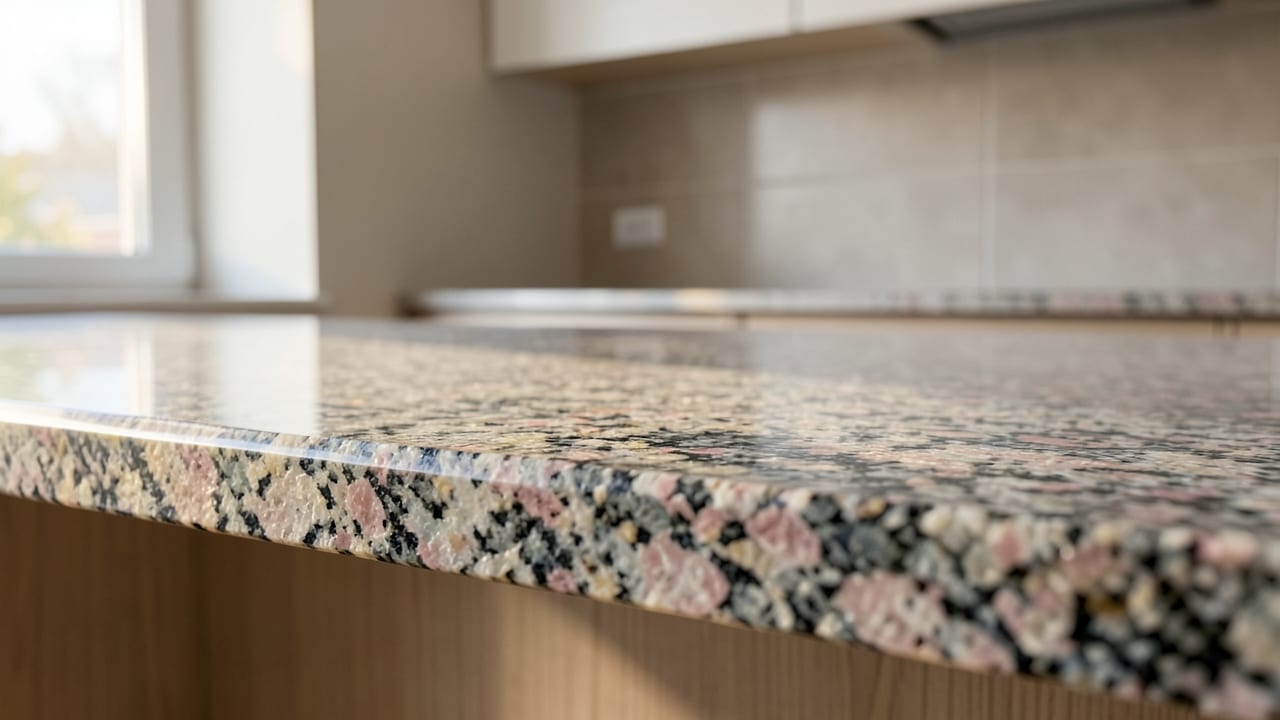
Stone Countertop Mold Removal in Chesapeake Beach, MD
Professional removal of mold from stone countertops using specialized cleaning and treatment methods.
Learn More
Glass Window Mold Removal in Chesapeake Beach, MD
Professional removal of mold from glass windows and frames to restore clarity and prevent spread.
Learn More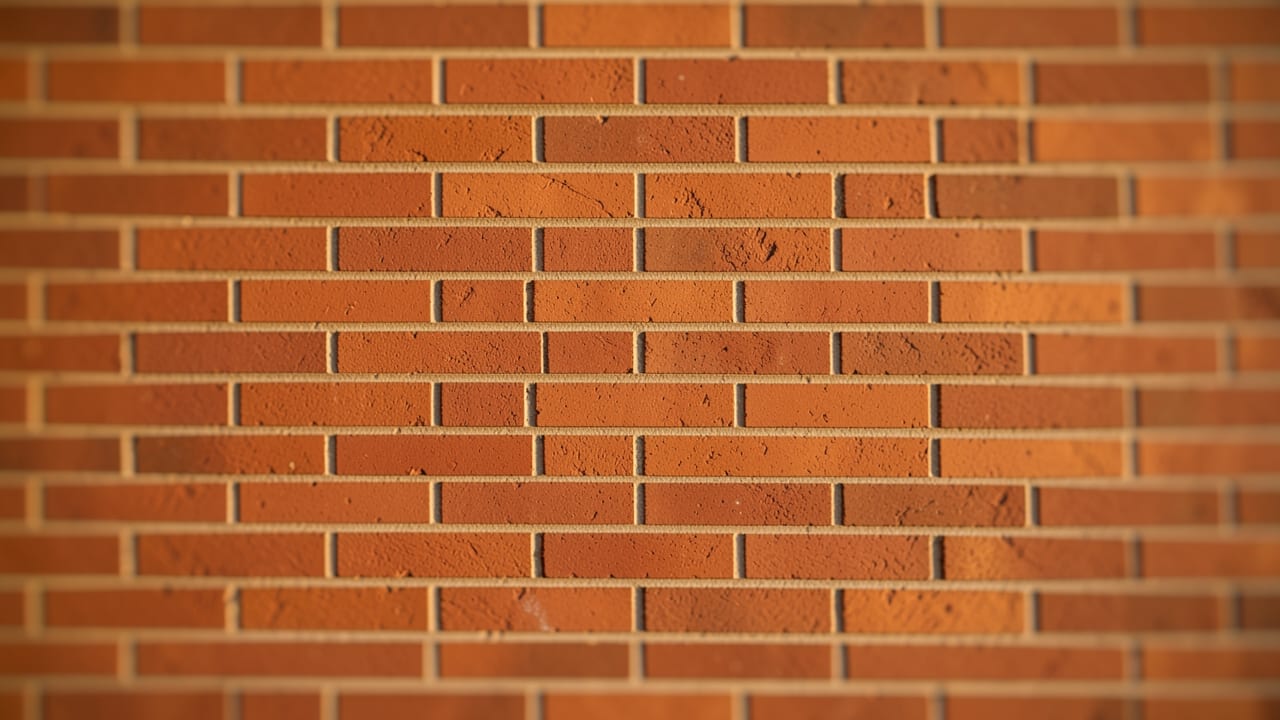
Brick Masonry Mold Treatment in Chesapeake Beach, MD
Professional mold treatment and removal from brick masonry to restore structural integrity and indoor air quality.
Learn More
Balcony Mold Cleanup in Chesapeake Beach, MD
Professional removal and treatment of mold growth on balconies and adjacent structures.
Learn MoreCommon Questions About Mold Remediation in Chesapeake Beach
Everything you need to know about mold remediation services in Chesapeake Beach
How much does Warehouse Mold Cleanup typically cost in Chesapeake Beach, MD?
Why does Chesapeake Beach, MD's humidity make mold a bigger risk than in drier regions?
Is black mold actually more dangerous than other mold types?
How long does a typical mold remediation job take?
Is it safe to stay in the home during mold remediation?
Can small mold problems be handled without hiring anyone?
Need Mold Remediation in Chesapeake Beach?
Connect with local providers in Chesapeake Beach for a detailed quote.
⏰ We answer your call • Serving all of Chesapeake Beach and surrounding areas